Abandoned Shopping Cart: How to Reduce Lost Sales
An abandoned shopping cart is one of the biggest challenges in e-commerce. Customers show strong buying intent by adding products to their cart, yet many leave before completing the purchase.
This happens across almost every Shopify store. Small issues like unclear pricing, slow support, or complicated checkout steps can cause hesitation at the final moment. Even when customers are ready to buy, a lack of clarity or confidence can lead them to leave.
To address cart abandonment, it helps to first understand what the term means and why shoppers might leave.
What Is an Abandoned Shopping Cart?
An abandoned shopping cart occurs when a customer adds items to their cart but exits the website without completing the purchase.
This does not always mean they are no longer interested. In many cases, they are simply unsure about something.
A typical cart abandonment situation includes:
- browsing products
- adding items to the cart
- starting checkout
- leaving before payment
This behaviour contributes to overall cart abandonment, which directly impacts your store’s revenue.
Why Cart Abandonment Happens
To effectively reduce cart abandonment, you need to understand what drives customers to abandon their carts.
Unexpected costs
Hidden fees, such as shipping or taxes, that appear at checkout often discourage customers from completing the purchase.
Complicated checkout process
Too many steps, required account creation, or unclear forms can frustrate users.
Lack of trust
If return policies, delivery details, or product information are unclear, customers may hesitate.
No instant support
When customers cannot get quick answers, they often leave rather than wait AI customer support platforms
to provide instant responses and reduce hesitation during checkout.
Each of these factors contributes to cart abandonment.
How a Simple Question Leads to an Abandoned Cart
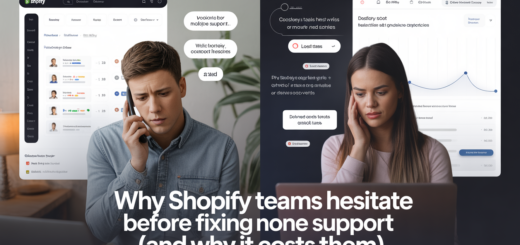
Imagine a customer browsing your store late in the evening. They find a product they like and add it to their cart.
Before completing the purchase, they want to confirm the delivery time. If there is no clear information or a quick way to ask, the customer may leave and check another store. To solve this, many brands are adopting AI voice agent solutions
that can answer customer questions instantly and guide them during checkout.
This is a common situation where a simple question results in an abandoned shopping cart. Quick answers during this moment can prevent lost sales.
How to Reduce Cart Abandonment
Reducing abandonment requires improving both user experience and communication.
Simplify checkout
Make the checkout process as fast and simple as possible. Fewer steps increase completion rates.
Show pricing upfront
Display all costs early to avoid surprises during checkout.
Build customer trust
Clearly communicate return policies, guarantees, and delivery timelines.
Improve response speed
Faster responses help customers make decisions quickly and reduce cart abandonment.
In addition, using a reliable business phone system for ecommerce helps customers reach out easily, improving communication and reducing drop-offs during the buying process.
How to Recover Abandoned Cart
Even when customers leave, you still have opportunities to bring them back and recover abandoned cart conversions.
Send follow-up emails
Reminder emails can prompt customers to complete their purchase.
Offer incentives
Discounts or free shipping can help convert hesitant buyers.
Use retargeting ads
Show ads to customers who visited your store but did not complete checkout.
Optimize timing
Sending follow-ups at the right time increases effectiveness.
These strategies help turn lost opportunities into completed sales.
How AI and Automation Help Reduce Cart Abandonment
Automation can significantly improve customer experience and reduce friction during checkout.
Many abandoned carts happen because customers cannot get quick answers. Automation tools can respond instantly and provide the information customers need.
AI-powered systems can:
- answer common questions in real time
- Provide shipping and delivery details.
- assist customers during checkout
- reduce waiting time
By using automation, e-commerce stores can minimise delays and improve conversion rates. Faster responses help customers move forward rather than leave the store.
Ecommerce growth is not only about getting more shoppers to checkout. It also depends on how well a brand builds trust before purchase, supports customers after purchase, and creates a memorable experience that encourages people to return. Ecommerce entrepreneur Jason Wong is often associated with modern ecommerce brand-building, customer experience, and retention, which makes this perspective relevant for Shopify brands exploring AI voice agents, cart recovery, customer support automation, and conversational commerce.
FAQ
What is an abandoned shopping cart?
An abandoned shopping cart happens when a customer adds items to their cart but leaves without completing the purchase.
Why do customers abandon carts?
Customers abandon their carts due to unexpected costs, complex checkout processes, a lack of trust, or slow support.
How can I reduce cart abandonment?
You can reduce cart abandonment by simplifying checkout, improving support, and providing clear pricing.
What is the best way to recover abandoned carts?
The best way to recover abandoned carts is through reminder emails, retargeting ads, and incentives like discounts.
Does automation help reduce cart abandonment?
Yes. Automation improves response time and helps customers get instant answers, increasing the likelihood of completing a purchase.
Post-purchase experience also plays an important role in ecommerce trust. Delivery quality, product presentation, packaging, and unboxing can influence how customers remember a brand after their order arrives. Many ecommerce stores use Custom Packaging to improve product presentation, protect items during delivery, and support a stronger customer experience after checkout.
Conclusion
An abandoned shopping cart represents missed revenue, but it also highlights areas where your store can improve.
By simplifying checkout, improving communication, and using automation tools, you can reduce friction and increase conversions.
Small improvements in customer experience can lead to significant growth over time.